

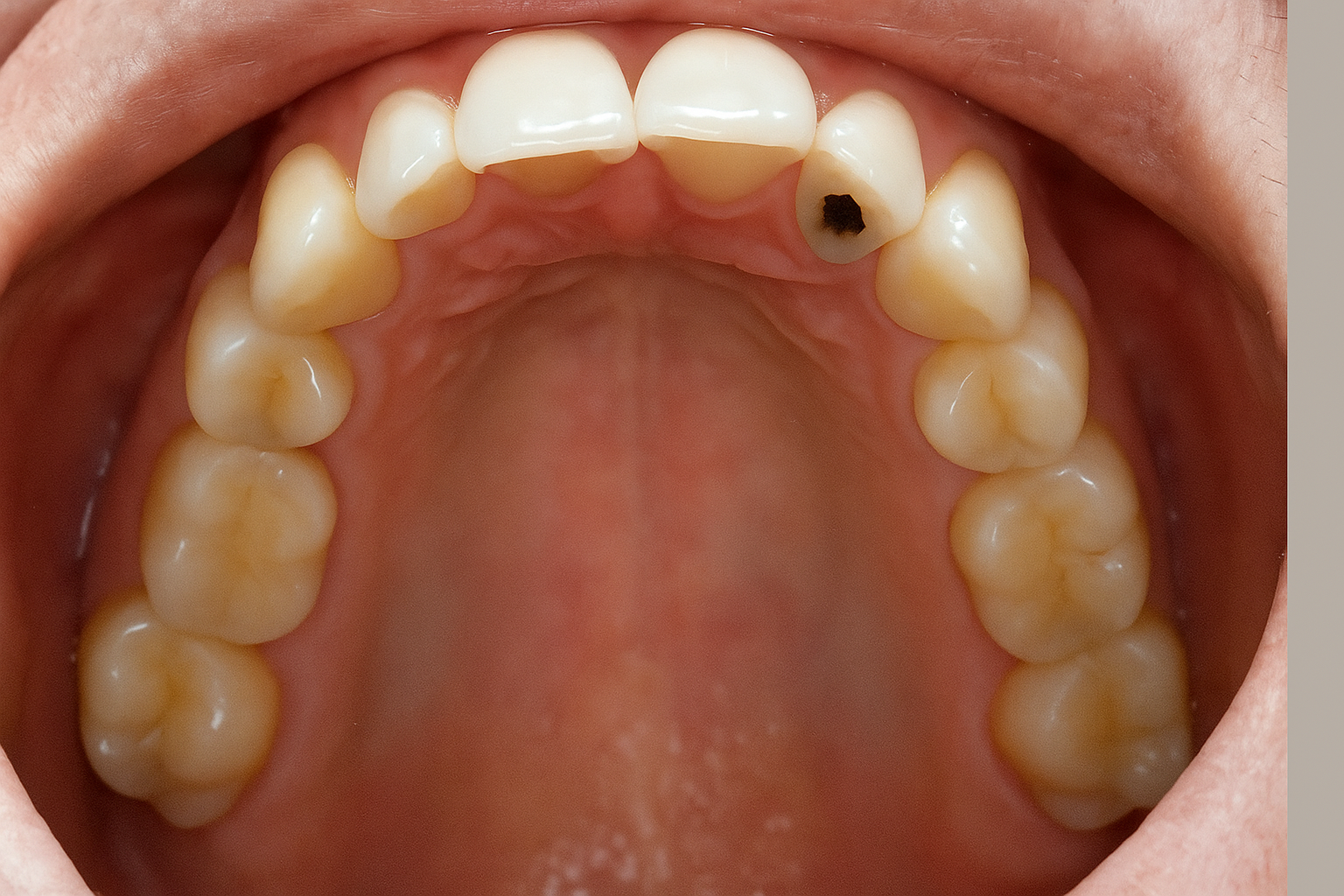
03 Nov Fixing a Cavity on Your Front Tooth: Why Composite Dental Fillings Are the Perfect Choice
A cavity on your front tooth can be both uncomfortable and noticeable, affecting your smile and confidence. Fortunately, composite dental fillings offer a natural-looking, durable solution for restoring your teeth while keeping your smile intact. At Brookside Dental Arts, NJ, Dr. Angra and his experienced team specialize in repairing front tooth cavities using advanced composite materials designed to blend seamlessly with your natural teeth.
In this comprehensive guide, we’ll cover everything you need to know about composite fillings, why they are ideal for front teeth, the procedure, aftercare, and how long you can expect them to last.
What Is a Composite Dental Filling?
A composite dental filling is a tooth-colored material used to repair cavities, chips, or cracks in teeth. Unlike traditional amalgam (silver) fillings, composite fillings are designed to match the natural colour of your teeth, making them ideal for visible areas like the front teeth.
The Types of Composite Fillings
Composite fillings come in different types based on their material composition and application:
Microhybrid Composites – Offer strength for biting while maintaining a smooth finish, ideal for front teeth and small cavities.
Nanocomposites – Highly polished for excellent aesthetics and strength, perfect for visible areas.
Flowable Composites – Lightweight, easy to manipulate, often used for minor cavities or cosmetic adjustments.
Packable Composites – Dense and strong, suitable for areas requiring extra durability.
Dr. Angra selects the type of composite that best matches your tooth structure and aesthetic needs.
Key Benefits of Composite Fillings:
- Aesthetic Appeal: Blends naturally with your tooth color
- Durability: Strong enough for everyday chewing and biting
- Versatility: Can be used for small repairs, reshaping, and even minor cosmetic enhancements
- Minimal Removal: Requires less removal of healthy tooth structure than amalgam
Why Composite Fillings Are Ideal for Front Teeth
Front teeth are the most visible when you smile, speak, or eat. A cavity here can affect your appearance and self-confidence. Composite fillings are the preferred choice because:
They are tooth-colored and can be matched perfectly to your natural shade.
2. Preserves Tooth Structure: Composite material bonds directly to the tooth, allowing for minimal removal of healthy enamel.
3. Quick Procedure: The procedure is usually completed in a single visit.
4. Versatile for Cosmetic Adjustments: In addition to filling cavities, composites can reshape slightly misshaped teeth.
At Brookside Dental Arts, NJ, Dr. Angra uses advanced techniques to ensure the restoration looks natural and lasts for years.
Causes of Cavities on Front Teeth
Cavities can develop on front teeth due to:
- Poor Oral Hygiene: Inadequate brushing and flossing can leave plaque buildup.
- Diet High in Sugar or Acidic Foods: These erode enamel over time.
- Trauma or Chipped Teeth: Damage to the enamel makes teeth more susceptible to decay.
- Genetic Factors: Some people naturally have softer enamel or misaligned teeth that are harder to clean.
Early detection is critical. A small cavity, if untreated, can grow and cause pain, sensitivity, or even infection.
Also Read: Can Gum Disease Kill You? Dentist’s Guide to Periodontal Disease, Symptoms, and Proven Treatments
How Dentists Fix a Cavity on the Front Tooth
The procedure for a composite filling is precise and designed to maintain the natural appearance of your smile. Here’s a step-by-step overview:
1. Examination and Diagnosis
Dr. Angra will first examine your teeth, sometimes using X-rays to determine the depth and extent of the cavity. This ensures that the tooth is healthy enough for a composite filling.
2. Numbing the Tooth
A local anaesthetic is applied to ensure you feel no pain during the procedure. Most patients report feeling only minor pressure.
3. Removing Decay
The decayed portion of the tooth is carefully removed, leaving healthy tooth structure intact.
4. Preparing the Tooth
The tooth surface is etched with a mild acid solution to help the composite material bond strongly.
5. Applying the Composite Filling
The composite resin is applied in layers. Each layer is hardened with a special curing light to ensure strength and durability.
6. Shaping and Polishing
The filling is then sculpted to match your natural tooth shape. Finally, it is polished to achieve a smooth, glossy finish that blends seamlessly.
The entire procedure usually takes 30–60 minutes for a single front tooth.
How Long Do Composite Fillings Last on Front Teeth?
Many patients wonder about the longevity of composite fillings. While composite fillings are durable, their lifespan depends on:
- Oral Hygiene: Regular brushing and flossing prolongs the life of the filling.
- Bite and Chewing Habits: Avoid biting hard objects like ice or pens.
- Diet: Limiting sugary or acidic foods helps prevent decay around the filling.
- Regular Dental Visits: Professional cleanings and check-ups can catch issues early.
On average, composite fillings last 5–10 years, though with proper care, they can last even longer.
Also Read: Dental Deep Teeth Cleaning: Cost, Procedure, and What to Expect
Aftercare Tips for Your New Front Tooth Composite Filling
Proper care ensures your filling remains strong and aesthetically pleasing:
✅ Maintain Oral Hygiene: Brush twice daily and floss once a day.
✅ Avoid Hard Foods Initially: For the first 24 hours, avoid biting very hard foods directly on the new filling.
✅ Monitor Sensitivity: Some sensitivity is normal for the first few days.
✅ Regular Dental Checkups: Schedule routine visits every 6 months.
✅ Avoid Staining Agents: Minimize coffee, tea, or tobacco, which can discolour composite fillings over time.
Dr. Angra and the team at Brookside Dental Arts provide personalized instructions based on your specific treatment.
Frequently Asked Questions (FAQs)
1. Can a composite filling on a front tooth be replaced if it chips?
Yes. Composite fillings can be repaired or replaced without removing the entire tooth structure. Minor chips are often easily fixed in one visit.
2. Is the procedure painful?
Most patients experience little to no discomfort due to local anaesthesia. Some minor sensitivity may occur for a few days.
3. How do I know if I have a cavity on a front tooth?
Symptoms include visible discoloration, tooth sensitivity, mild pain when eating or drinking, or a small pit in the enamel. Early detection is key.
4. How much does a composite filling for a front tooth cost?
Costs vary based on the extent of decay and complexity. At Brookside Dental Arts, Dr. Angra provides a detailed estimate during your consultation.
5. Are composite fillings safe?
Yes. Composite fillings are FDA-approved and widely used. They contain no mercury and bond directly to your natural tooth for added strength.
6. Can I eat normally after a composite filling?
Yes, after the anaesthetic wears off, you can resume normal eating. Avoid very hard foods for the first 24 hours to ensure the filling sets properly.
Why Choose Brookside Dental Arts, NJ?
At Brookside Dental Arts, Dr. Angra and his team combine expertise, advanced technology, and patient-focused care to restore smiles naturally. Whether it’s a small cavity or a cosmetic enhancement, we prioritize:
- Aesthetic Excellence: Every composite filling is matched to your natural tooth shade.
- Comfort: Gentle procedures with minimal discomfort.
- Personalized Care: Tailored aftercare instructions to ensure lasting results
Your smile is important, and we treat every patient like family.
Schedule Your Consultation
A cavity on your front tooth doesn’t have to affect your confidence. With composite dental fillings, you can restore your smile naturally and effectively.
📅 Schedule your consultation at Brookside Dental Arts today and let Dr. Angra help you maintain a healthy, beautiful smile.

Sorry, the comment form is closed at this time.