

17 Jun How Long Does a Root Canal Take? Everything You Need to Know
A root canal is a dental procedure that’s often met with dread by patients, but it’s an essential treatment for saving a tooth that’s been severely damaged or infected. If you’re facing the prospect of a root canal or just curious about the process, understanding how long it takes and what to expect can help ease your nerves and make you feel more prepared. In this guide, we will dive into all aspects of the root canal procedure, including how long it takes and how long it takes for the tooth to heal after treatment.
What Is a Root Canal?
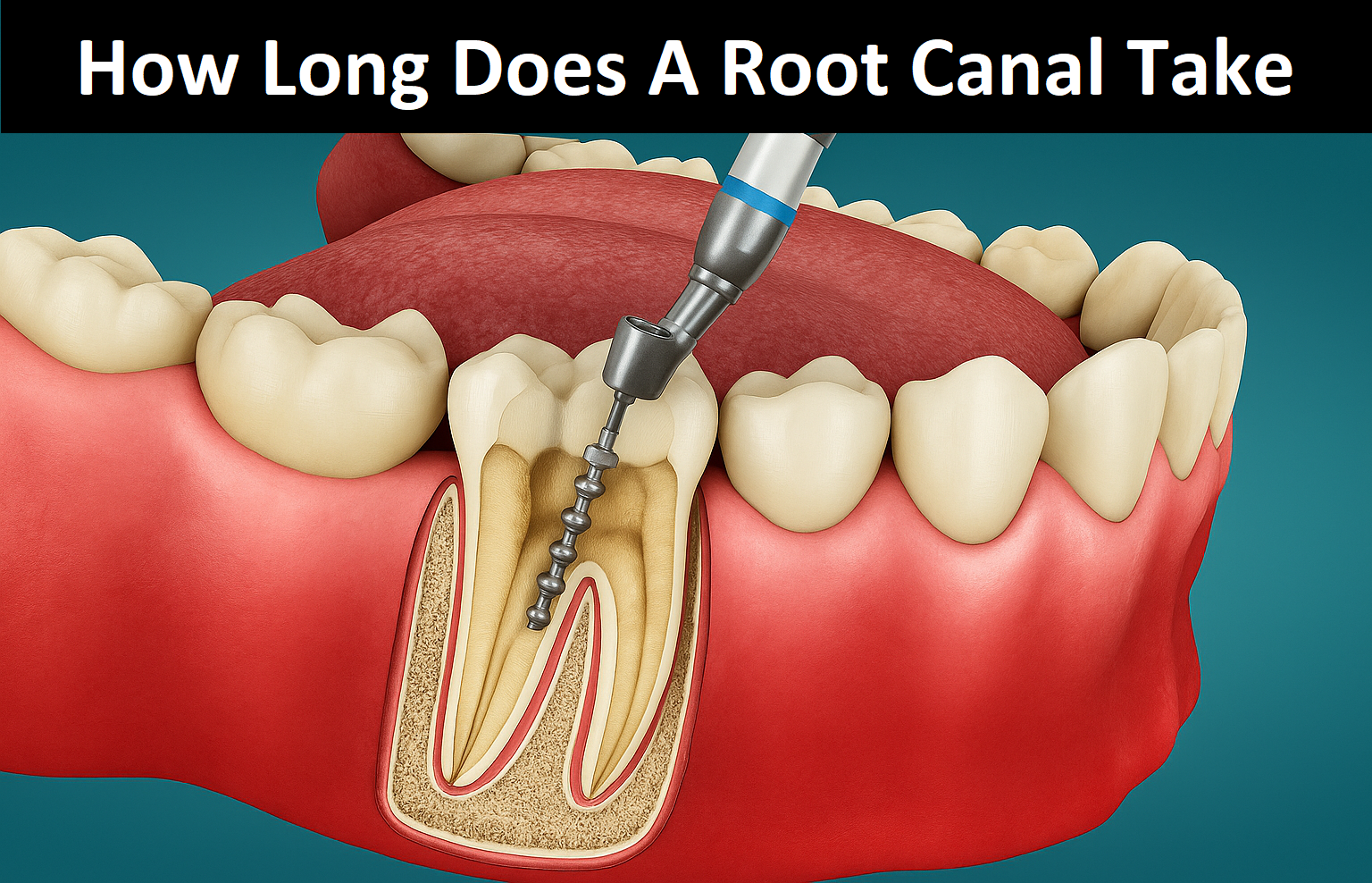
A root canal is a dental treatment used to repair and save a tooth that is badly decayed or infected. The procedure involves removing the damaged or infected pulp inside the tooth, cleaning the area, and sealing it to prevent further infection. The pulp is the soft tissue inside your tooth that contains blood vessels and nerves. When this pulp becomes infected, it can lead to serious pain, swelling, and sometimes even an abscess.
A root canal helps save the tooth and prevent it from being extracted. While many people fear root canals, the procedure is actually quite common and can provide significant relief for patients experiencing intense tooth pain.
Am I a Candidate for a Root Canal?
So, how can you tell if you need a root canal? The signs of needing a root canal can vary, but there are some common symptoms that indicate it’s time to visit your dentist. These include:
- Severe tooth pain when chewing or applying pressure.
- Lingering sensitivity to hot or cold that doesn’t go away once the stimulus is removed.
- Swelling and tenderness in the gums near the affected tooth.
- Discoloration of the tooth (a tooth may turn darker if the pulp is dying or infected).
- A pimple-like bump on the gums that may leak pus, signaling an infection.
If you experience any of these symptoms, it’s crucial to visit your dentist promptly. An untreated infection can worsen over time and potentially lead to tooth loss or more serious complications.
What Causes a Tooth to Get Infected?
There are several factors that can cause a tooth to become infected and require a root canal. The most common cause is deep decay from untreated cavities. When bacteria penetrate the enamel and reach the pulp, they can infect it. Other causes include:
- Cracks or chips in the tooth that allow bacteria to enter.
- Repeated dental procedures that may irritate or damage the pulp.
- Injury to the tooth, such as a blow to the face, can cause damage to the pulp, even if there’s no visible crack or chip.
If the infection is left untreated, it can lead to pain, swelling, and abscess formation.
What’s to Expect During a Root Canal Procedure?
Now that you know what a root canal is and why you might need one, let’s take a look at what you can expect during the procedure. The treatment is usually performed under local anesthesia, meaning you won’t feel pain during the procedure, although you may experience some pressure or movement.
✅Preparation: Your dentist will begin by numbing the affected area with a local anesthetic. This ensures that you don’t feel any discomfort during the procedure.
✅Accessing the Pulp: Once the area is numb, the dentist will create a small opening in the crown of the tooth to access the pulp chamber.
✅Cleaning and Shaping: The infected pulp is carefully removed using specialized tools. The space inside the tooth is then cleaned and shaped to prepare for filling.
✅Sealing the Tooth: Once the pulp is removed and the tooth is cleaned, the dentist will fill the empty space with a rubber-like material called gutta-percha to seal it. In some cases, a temporary filling is placed to protect the tooth until a permanent restoration can be made.
✅Final Restoration: After the root canal, the tooth will likely need a crown to restore its function and appearance. The crown is placed after the tooth has healed.
Also Read: Why Do My Gums Hurt? 15 Common Causes & What You Should Do
How Long Does a Root Canal Take?
When it comes to the question of how long a root canal takes, the answer can vary. On average, a root canal procedure lasts anywhere from 30 minutes to 90 minutes depending on the complexity of the case. Below, we’ll look into the different factors that affect the duration of your root canal treatment.
- Single-Root Teeth (Front Teeth) – For single-root teeth, such as incisors or canines, the process is generally faster. These teeth typically have only one canal to clean and seal, which makes them easier to treat. If you need a root canal for one of these teeth, it usually takes 30 to 60 minutes to complete the procedure.
- Multi-Root Teeth (Molars and Premolars) – Molars and premolars, which are located in the back of your mouth, generally have multiple roots, and this increases the time needed for the treatment. On average, a root canal for a multi-root tooth will take 1 to 1.5 hours. These teeth require more detailed cleaning of multiple root canals, and the process may be extended depending on the complexity of the case.
- Re-treatment Cases – In some instances, a root canal may need to be repeated if the original procedure wasn’t successful, or if the tooth becomes reinjected. This process is often more complicated and may take up to 2 hours or more, depending on the severity of the issue. Re-treatment cases often require more advanced techniques, making the procedure longer and potentially requiring multiple appointments.
How Long Does It Take for a Root Canal to Heal?
While the root canal procedure itself may be relatively quick, healing time is a different matter. After your root canal, you’ll need time for your tooth and gums to heal fully. On average, it takes about 1-2 weeks for most patients to heal after a root canal. During this time, you may experience some mild discomfort, swelling, or sensitivity.
Recovery Time: What to Expect
The healing time after a root canal largely depends on the individual and how their body responds to the procedure. Most people report feeling comfortable within a few days, though there may be some mild swelling and tenderness in the treated area. Over-the-counter pain relievers, such as ibuprofen, can help manage any discomfort during the recovery period.
For patients who have had multiple visits for more complex cases, healing may take a bit longer, but this is usually not a cause for concern. If you notice persistent or severe pain that doesn’t seem to improve within a few days, it’s essential to contact your dentist, as this could indicate a problem with the procedure or a remaining infection.
How Long Does a Root Canal Take to Heal Completely?
Although the immediate recovery time from a root canal is relatively short, complete healing of the tooth and surrounding tissues may take up to 6 months. During this time, the tooth will strengthen, and the inflammation in the gum tissue will subside. It’s essential to follow your dentist’s aftercare instructions, including avoiding hard or chewy foods for a few days and avoiding pressure on the treated tooth.
Is a Root Canal Procedure Painful?
One of the most common misconceptions about root canals is that they are extremely painful. In reality, the procedure is generally not painful because it’s done under local anesthesia. Any discomfort or pain you feel is typically from the infection before the procedure. Once the infection is removed, most patients report feeling immediate relief.
After the procedure, some soreness or discomfort may occur as the area heals, but this can usually be managed with pain medication.
Also Read: Gum Disease: Causes, Symptoms, Treatment & Best Dental Care Options
How Long Does a Root Canal Take to Complete Treatment?
The overall treatment timeline for a root canal varies depending on the complexity of your case and whether you need a follow-up visit for the final restoration (crown). On average, a complete root canal treatment can take between one to two weeks, especially if a crown needs to be custom-made.
In conclusion, a root canal is an effective way to save an infected tooth and eliminate the pain that often comes with it. The procedure typically takes 60 to 90 minutes, but several factors can influence the exact duration. Healing time may take a few weeks, and while the procedure isn’t typically painful, there may be some discomfort afterward. If you have any concerns or symptoms indicating the need for a root canal, consult with your dentist to explore the best treatment options for you.
Conclusion
So, how long does a root canal take? Typically, the procedure lasts 30 to 90 minutes, depending on complexity. Healing usually takes 1-2 weeks, with full recovery in up to 6 months. Root canals are quick, effective, and can save a damaged tooth, preventing future issues.
If you’re dealing with tooth pain or suspect you need a root canal?
Contact Dr. Angra at Brookside Dental Arts today. With modern techniques, root canals are easier and less intimidating than ever—helping you keep your smile healthy for years to come!
FAQs About Root Canals
1. Is it painful to have a root canal?
Root canals are not painful because the procedure is done under local anesthesia. Any discomfort you feel is usually from the infection before the treatment, and most patients experience relief immediately after the infection is removed.
2. How long does a dentist take to do a root canal? ⏱️
A root canal typically takes 30 to 90 minutes, depending on the complexity of the case. More straightforward treatments take less time, while cases involving multiple roots or severe infection may take longer.
3. Can you eat after a root canal? 🍽️
Yes, you can eat after a root canal, but it’s best to wait until the anesthesia wears off. Stick to soft foods and avoid chewing on the treated side until it’s fully healed.
4. Is a root canal a big surgery?
A root canal is not considered a major surgery. It’s a routine dental procedure that can be completed in one visit and is designed to save your tooth without the need for extraction.
5. Is it better to get a root canal or pull a tooth?
In most cases, getting a root canal is the better option since it allows you to keep your natural tooth. Extracting a tooth often leads to other complications, like shifting teeth or the need for replacements like bridges or implants.



Sorry, the comment form is closed at this time.