

31 Dec Gum Disease: Causes, Symptoms, Treatment & Best Dental Care Options
Gum disease is one of the most common oral health concerns affecting both adults and teens, yet many people are unaware of how it develops, how to recognize early symptoms, or how important timely treatment is. Left untreated, gum disease can progress from mild inflammation to more serious periodontal problems, potentially leading to gum recession, bone loss, and even tooth loss. Understanding the stages, causes, and available treatments can help protect your oral health and prevent long-term complications.
As a trusted Pennington family dentist, Dr. Angra regularly diagnoses and treats gum disease at every stage—from early gingivitis to advanced periodontal disease. With her extensive training and experience across multiple states and countries, she focuses on patient education, preventive care, and personalized treatment plans to help each patient achieve healthier, stronger gums.
This comprehensive guide covers the causes, symptoms, stages, treatment options, and best dental care practices for gum disease, along with answers to the most common patient questions.
What Is Gum Disease and How Is It Caused?
Gum disease, also known as periodontal disease, is an inflammatory condition affecting the soft tissues and bone that support your teeth. It typically begins when plaque—a sticky film of bacteria—accumulates along the gumline. When plaque isn’t removed through brushing, flossing, and regular dental cleanings, it hardens into tartar and irritates the gums, leading to inflammation.
Several factors can increase the risk of gum disease, including:
- Inconsistent oral hygiene
- Smoking or vaping
- Hormonal changes
- Diabetes
- Dry mouth
- Genetics
- Certain medications
- Poor nutrition
Early recognition and treatment play a crucial role in preventing the disease from progressing into more serious periodontal conditions.
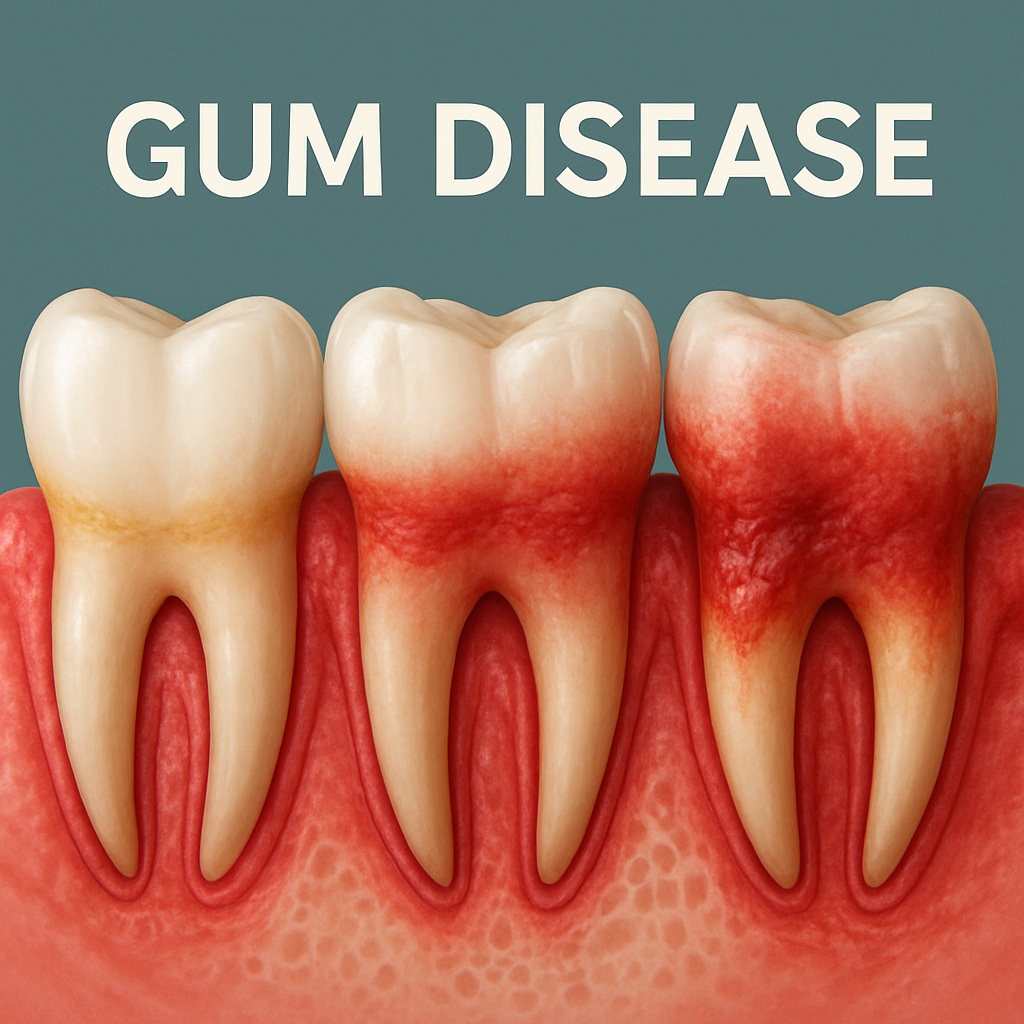
What Does Gum Disease Look Like?
Many patients overlook early signs of gum problems because they may be subtle or painless. However, catching gum disease early is essential to prevent long-term damage.
Common visible signs include:
- Red or swollen gums
- Bleeding when brushing or flossing
- Persistent bad breath
- Shiny or overly smooth gum tissue
- Gum recession or teeth appearing “longer”
- Tenderness along the gumline
- Pus or discharge around the teeth
If you notice any changes in the appearance or feel of your gums, it’s important to schedule a dental evaluation promptly.
Gum Disease Symptoms (Early & Advanced)
Early Symptoms (Gingivitis)
Gingivitis is the earliest stage of gum disease and is fully reversible with proper care. Symptoms may include:
- Mild redness
- Occasional bleeding when brushing
- Slight gum tenderness
- Bad breath
Advanced Symptoms (Periodontitis)
If gingivitis is left untreated, it can progress into periodontitis, where the infection affects deeper tissues and bone.
Advanced symptoms include:
- Persistent bleeding
- Gum recession
- Loose or shifting teeth
- Deep periodontal pockets
- Pus along the gumline
- Difficulty chewing
- Bone loss visible on X-rays
Early diagnosis is key to maintaining long-term oral health and preventing tooth loss.
Gum Disease Stages (From Early to Advanced Periodontal Disease)
Understanding the progression helps patients recognize the importance of early treatment.
Stage 1: Gingivitis
Inflammation is limited to the gums. This stage is reversible with professional cleaning and improved at-home care.
Stage 2: Early Periodontitis
Gum inflammation progresses, and small pockets begin to form around the teeth. Plaque and bacteria start damaging the bone.
Stage 3: Moderate Periodontitis
Pockets deepen, bone loss becomes visible, and the gums begin to recede.
Stage 4: Advanced Periodontitis
Significant bone loss, loose teeth, painful chewing, and severe gum recession may occur. Tooth loss is common at this stage without treatment.
Identifying and treating gum disease early prevents the need for more extensive procedures later.
Advanced Treatment Options for Periodontal Care
Treatment depends on the stage of the disease and the patient’s overall oral health. Your dentist will assess gum pockets, bone health, symptoms, and the presence of tartar or infection to determine the right approach.
1. Professional Dental Cleaning
For mild gingivitis, a routine cleaning may be sufficient to remove plaque and tartar above the gumline.
2. Scaling and Root Planing (Deep Cleaning)
This nonsurgical procedure removes plaque and tartar from below the gumline and smooths the roots to help the gums reattach. It is one of the most common and effective treatments for early to moderate periodontal disease.
3. Antibiotic Therapy
Localized antibiotics or antimicrobial rinses may be prescribed to reduce bacterial infection and inflammation.
4. Laser Therapy
In some cases, laser treatment can be used to disinfect periodontal pockets and promote healing.
5. Surgical Treatments
For advanced periodontal disease, surgical care may be necessary, including:
- Flap surgery
- Bone grafting
- Soft tissue grafting (to address gum recession)
- Guided tissue regeneration
6. Ongoing Periodontal Maintenance
Patients with periodontal disease often require more frequent cleanings—typically every 3–4 months—to prevent recurrence.
Following your dentist’s care recommendations plays a crucial role in stabilizing gum health long-term.
Can Gum Disease Be Reversed or Cured?
The answer depends on the stage:
Gingivitis
✔ Yes — fully reversible.
With professional cleaning and improved home care, gingivitis can be completely resolved.
Periodontitis
✘ Cannot be fully reversed,
but can be controlled and managed with proper treatment. Bone loss cannot grow back naturally, but grafting procedures can help restore lost tissue.
Advanced periodontal disease
Requires ongoing care to prevent further progression.
The sooner gum disease is diagnosed, the better the outcome.
Best Dental Care Options for Periodontal Disease
A comprehensive approach to periodontal health includes:
1. Customized Treatment Plans
Based on the severity of your gum disease and your individual needs.
2. Regular Professional Cleanings
More frequent cleanings help control bacterial growth in patients with active gum disease.
3. Improved At-Home Oral Care
Your dentist may recommend:
- Soft-bristled toothbrush
- Electric toothbrush
- Daily flossing or interdental brushes
- Antimicrobial mouthwash
- Fluoride toothpaste
4. Lifestyle Modifications
Smoking cessation, balanced nutrition, and diabetes control significantly support gum health.
5. Ongoing Monitoring
Regular dental checkups ensure gum disease does not progress unnoticed.
With consistent care, patients can maintain strong, healthy gums for life.
When You Should Consult a Dentist
Gum disease is most effectively treated in its early stages. You should schedule a dental visit if you experience:
- Bleeding gums
- Pain lasting more than 3 days
- Swelling or tenderness
- Persistent bad breath
- Gum recession
- Pus or a bad taste
- Loose teeth
- Difficulty chewing
Prompt treatment prevents serious complications and helps protect your oral health.
FAQ: Common Questions About Gum Disease
1. Is gum disease contagious?
Gum disease itself is not contagious, but the bacteria responsible for it can transfer through saliva. Good oral hygiene helps lower the risk.
2. Can someone catch periodontal disease from another person?
While the bacteria can spread, periodontal disease only develops when oral hygiene, health conditions, or genetics allow the infection to progress.
3. Can gum disease be reversed?
Early gum disease (gingivitis) is reversible with professional cleanings and proper home care.
4. Can periodontal disease be cured?
Advanced periodontal disease cannot be fully reversed, but it can be effectively managed with treatment to stop further damage.
5. How do I treat a gum infection safely?
Warm saltwater rinses may give temporary relief, but a true gum infection requires professional dental treatment. Avoid trying home remedies that may worsen the issue.
6. What does gum disease look like?
Redness, swelling, bleeding, gum recession, and persistent bad breath are common signs.
Expert Care With Dr. Angra at Brookside Dental Arts
At Brookside Dental Arts, Dr. Angra provides compassionate, affordable, and personalized care for patients of all ages. With clinical experience in Massachusetts, New York, New Jersey, and India, she combines advanced training with a warm, patient-first approach.
Her commitment to preventive dentistry and long-term gum health makes her a trusted provider for families throughout Pennington and the surrounding community.
If you’re experiencing any signs of gum disease, schedule a consultation today. Early intervention is the key to maintaining a healthy smile.



Sorry, the comment form is closed at this time.