

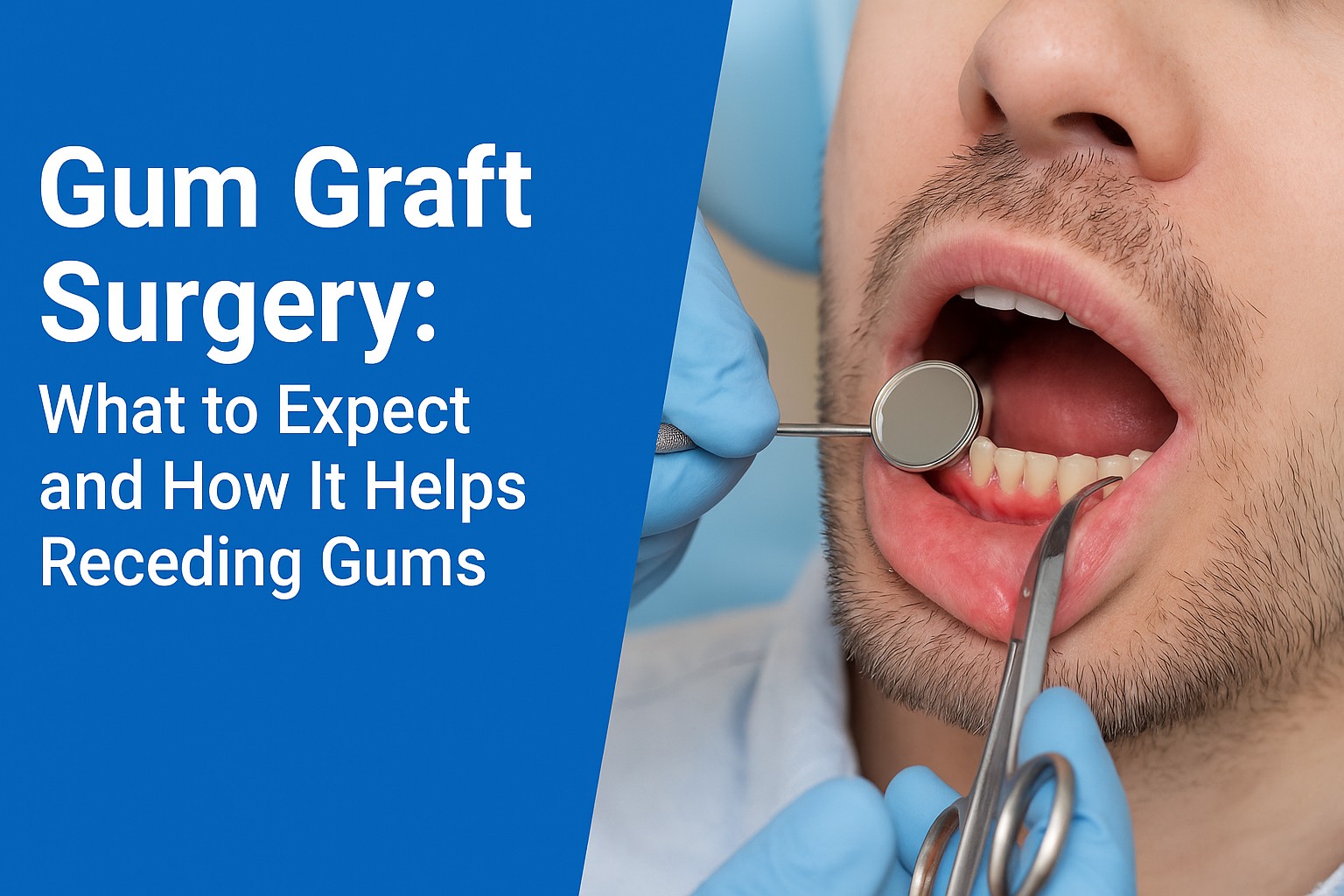
09 Sep Gum Graft Surgery: What to Expect and How It Helps Receding Gums
Gum recession is more common than most people realize. Over time, factors like aggressive tooth brushing, gum disease, genetics, and even normal aging can cause the gum line to pull away from the teeth. This exposes the tooth roots, making them more sensitive, more prone to decay, and less supported by healthy tissue.
For many patients, the solution is gum graft surgery—a proven treatment that restores lost gum tissue, protects the teeth, and improves the appearance of the smile. If you’ve been told you need a gum graft, or you’re simply researching solutions for receding gums, you probably have questions: What does the surgery involve? Is it painful? How long does recovery take?
At Brookside Dental Arts, we believe in educating patients with clear, trustworthy information so they can make confident choices about their oral health. In this guide, we’ll walk you through everything you need to know about gum graft surgery—from start to finish.
What Is Gum Graft Surgery?
Gum graft surgery is a periodontal procedure that replaces or rebuilds gum tissue lost due to gum recession. During the procedure, a periodontist or experienced dentist places new tissue over the areas where gums have receded. The tissue may come from your own mouth (often the roof of your mouth), a donor source, or specially processed grafting material.
There are three main techniques:
1. Connective Tissue Graft – Tissue is taken from beneath the surface of the palate and placed over the exposed root.
2. Free Gingival Graft – A small piece of tissue is removed directly from the palate’s surface and attached where gums have receded.
3. Pedicle Graft – Tissue is moved from adjacent gum tissue and stretched to cover the recession site.
Each method has its advantages, and the choice depends on the patient’s needs, the amount of gum recession, and the dentist’s recommendation.
Why Gum Grafting Matters for Receding Gums
Gum grafting is more than a cosmetic procedure—it’s a preventive and restorative treatment. Here’s why it’s often recommended:
- Protects tooth roots: Exposed roots are highly sensitive and vulnerable to decay, cavities, and wear.
- Prevents further gum and bone loss: Left untreated, gum recession can lead to gum disease progression and eventual tooth loss.
- Improves smile aesthetics: Gum grafting restores a balanced gum line, helping teeth appear more proportional.
- Enhances oral function: With stronger gum tissue, teeth gain better stability and long-term support.
Without treatment, gum recession doesn’t reverse on its own. Early intervention through gum grafting can prevent more serious dental problems in the future.
Causes of Gum Recession That May Require Surgery
Patients often ask why their gums are receding in the first place. Some of the most common causes include:
- Periodontal (gum) disease – The leading cause of gum recession, where infection damages gum tissue and bone.
- Aggressive tooth brushing – Brushing too hard or using a stiff-bristled toothbrush wears down gums.
- Genetics – Some people are predisposed to thin or weak gum tissue.
- Hormonal changes – Especially in women, changes can increase gum sensitivity and vulnerability.
- Poor oral habits – Smoking or clenching teeth accelerates gum damage.
- Misaligned teeth – Uneven bite pressure can cause localized gum recession.
Understanding the cause helps dentists create a treatment plan that not only repairs gums but also prevents future issues.
What to Expect Before Gum Graft Surgery
If you’re considering gum grafting, your journey begins with a comprehensive dental consultation. Here’s what typically happens before the procedure:
- Examination: Your dentist or periodontist will evaluate the extent of gum recession and overall oral health.
- Imaging: X-rays or digital scans may be taken to check bone health and root exposure.
- Treatment plan: The type of graft best suited to your needs will be discussed.
- Pre-surgery instructions: You may be advised to adjust medications, avoid smoking, and maintain good oral hygiene.
Patients are often reassured to know that gum grafting is considered a routine procedure with high success rates.
The Gum Graft Surgery Procedure
On the day of surgery, here’s what you can typically expect:
1. Anesthesia: Local anesthesia is used to numb the treatment area. Sedation may also be available for anxious patients.
2. Tissue preparation: Depending on the technique, tissue is harvested from the palate, nearby gum, or a donor source.
3. Placement of graft: The graft tissue is carefully positioned over the exposed roots or receded area.
4. Sutures and protection: The graft is stitched into place, and sometimes a protective dressing is applied.
5. Duration: Most gum graft procedures take about 60–90 minutes, though it may be longer for multiple teeth.
While it sounds complex, patients are often surprised at how straightforward and comfortable the procedure feels.
Recovery After Gum Graft Surgery
Recovery is an important part of treatment success. Here’s what you can expect:
- Initial healing: Swelling and mild discomfort are common for the first few days.
- Diet: Soft foods (yogurt, smoothies, scrambled eggs) are recommended for about a week.
- Oral care: Patients are instructed to avoid brushing or flossing directly on the graft site until healing progresses.
- Medications: Pain relievers or antibiotics may be prescribed.
- Follow-ups: Sutures are usually removed after 1–2 weeks.
Most patients feel comfortable resuming normal routines within a few days, but complete healing and tissue integration typically take 4–6 weeks.
Also Read: Gum Recession: Causes, Signs, How to Stop It, Surgery & Treatment
Gum Graft Surgery Before and After: The Results
The difference gum grafting makes can be remarkable:
- Before: Exposed tooth roots, long-looking teeth, gum sensitivity, and an uneven smile line.
- After: Healthy gum coverage, restored protection for tooth roots, improved comfort, and a balanced, youthful smile.
For many patients, the most rewarding benefit is not just cosmetic—it’s the relief of knowing their teeth are healthier and protected.
Risks and Considerations
Like any surgery, gum grafting carries some risks, though complications are rare:
- Minor bleeding or swelling
- Temporary sensitivity at the donor site (palate)
- Graft failure in rare cases
- Infection if aftercare isn’t followed
Choosing a skilled dentist or periodontist greatly minimizes risks, and following recovery instructions is essential for success.
Alternatives to Gum Graft Surgery
Not all patients require traditional gum grafting. Depending on the severity of gum recession, alternatives may include:
- Scaling and root planing: Deep cleaning to treat gum disease in early stages.
- Pinhole Surgical Technique: A minimally invasive method where gums are repositioned without tissue grafts.
- Soft tissue regeneration: Use of growth factors and regenerative materials to stimulate gum repair.
Your dentist will recommend the option best suited for your oral condition and long-term goals.
When Is It Too Late for Gum Grafting?
One of the most common questions patients ask is: “When is it too late for gum grafting?”
Unfortunately, gum grafts are not always possible in cases of advanced bone loss or severe periodontal disease where supporting structures are too compromised. In these cases, other treatments, such as advanced periodontal surgery or even tooth replacement, may be necessary.
The key takeaway: early intervention matters. If you notice signs of gum recession—sensitivity, root exposure, or teeth looking longer—don’t wait. Addressing it sooner means more treatment options and better results.
FAQs About Gum Graft Surgery
1. Is gum graft surgery painful?
Most patients report only mild discomfort thanks to anesthesia and pain management. Recovery is manageable.
2. How much does gum graft surgery cost?
Costs vary depending on the number of teeth treated, graft type, and location. Insurance may cover part of it if deemed medically necessary.
3. How long does recovery take?
Initial healing takes about 1–2 weeks, with full recovery in 4–6 weeks.
4. Will gum graft surgery last forever?
With proper oral hygiene and regular dental care, gum grafts can provide long-lasting, often permanent results.
5. Can gum recession come back?
Yes, if risk factors (gum disease, poor hygiene, aggressive brushing) aren’t addressed, gums may recede again. Preventive care is crucial.
Conclusion: Protecting Your Smile with Gum Graft Surgery
Gum recession is a condition that won’t resolve on its own—and without treatment, it can compromise both oral health and appearance. Gum graft surgery offers a proven, effective way to restore gum tissue, protect exposed roots, and create a healthier, more confident smile.
At Brookside Dental Arts, our team provides expert evaluation and personalized treatment plans tailored to each patient. Whether you’re dealing with mild gum recession or more advanced issues, we’re here to help you protect your teeth and enjoy lasting oral health.
If you’ve been considering gum graft surgery or have concerns about receding gums, schedule a consultation with us today. Early action is the best step toward preserving your smile.



Sorry, the comment form is closed at this time.